Premium Iranian Tahini exports

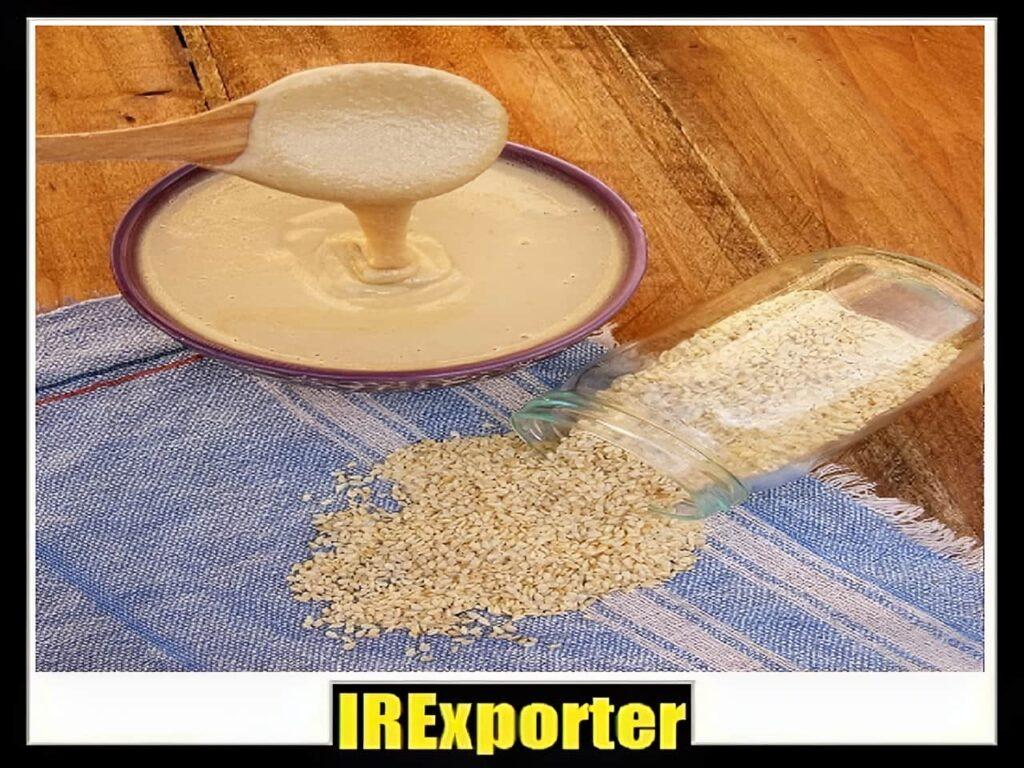
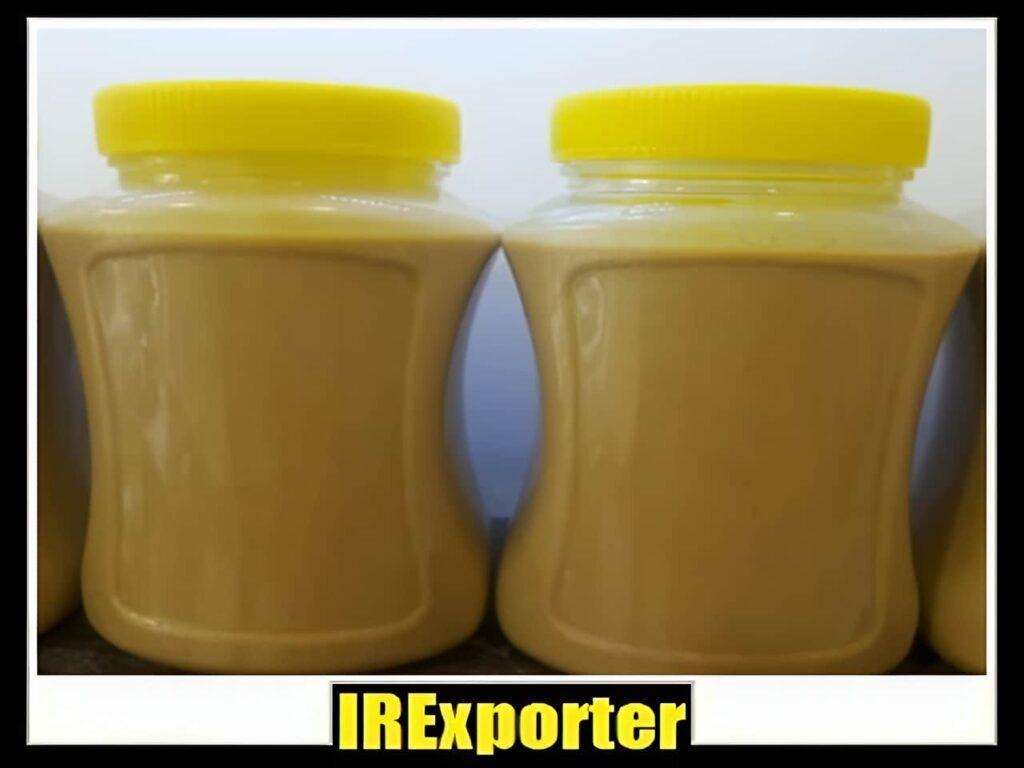
Discover premium Iranian tahini, made from 100٪ roasted sesame seeds, known for its smooth texture, rich flavor, and high nutritional value. This high-quality tahini is a staple in Middle Eastern and Mediterranean cuisines, perfect for dips, dressings, sauces, and health food products. Sourced directly from Iran, it is free from additives and preservatives, ensuring purity and freshness in every batch. Ideal for bulk supply, retail packaging, and food production, Iranian tahini is available at competitive export prices. Explore our updated tahini price list and connect with reliable suppliers in Iran for wholesale orders. Tahini is obtained from ground seeds and is considered a food. In fact, tahini alone is a complete meal for any meal, especially breakfast. Tahini has a high nutritional value, and at the same time, it does not contain any chemical or non-chemical additives and in other words, it is 100٪ natural.
the quality of tahini and its impact on the purchase price
the quality of tahini significantly affects the purchase price of exported tahini from iran. High-quality tahini is produced from top-grade sesame seeds and undergoes processing methods that preserve its flavor, texture, and overall quality. Tahini of lower quality, produced from inferior sesame seeds or processed inadequately, will not command as high a purchase price as high-quality tahini.
The main and only ingredient of tahini is sesame. In fact, tahini is made from a liquid prepared from toasted and crushed sesame seeds, which have not been separated. The high nutritional value and popularity of tahini has made it a popular product for export due to its properties and high health benefits.
the quantity of tahini exported and its impact on the purchase price
the quantity of tahini exported also plays a role in determining the purchase price. In general, larger quantities of exported tahini result in a lower purchase price due to economies of scale. Exporting larger quantities allows for lower production costs and enables offering tahini at a more competitive price.
the demand for tahini in the importing country
the demand for tahini in the importing country is another significant factor influencing the purchase price of exported tahini. Higher demand typically leads to higher purchase prices, as it reflects the market’s supply and demand dynamics. If there is a strong demand for tahini in the importing country, the price is likely to rise accordingly.
transportation costs and their impact on the purchase price
transportation costs have a notable impact on the purchase price of exported tahini. Shipping tahini from iran to the importing country incurs significant expenses, which affect the overall cost. Factors such as the distance between iran and the importing country, the chosen mode of transportation, and any applicable tariffs or taxes on the shipment can contribute to transportation costs.
tariffs and taxes and their impact on the purchase price
tariffs and taxes imposed by the importing country can influence the purchase price of exported tahini. Tariffs are import taxes levied on goods, and additional taxes may be imposed by the importing country’s government. These costs add to the overall expenses of exporting tahini, which can affect the purchase price.
in conclusion, the export of tahini from iran has a significant impact on the country’s economy. The purchase price of exported tahini is influenced by factors such as the quality and quantity of tahini, demand in the importing country, transportation costs, and applicable tariffs and taxes. By considering these factors, exporters can navigate the market and offer competitive prices while ensuring the export of high-quality tahini from iran.
export of industrial tahini
our company specializes in the export of industrial tahini, primarily to asian countries and persian gulf countries. With special marketing conditions and competitive prices, we cater to the diverse demands of our customers.
first type of industrial tahini production
iran boasts large-scale industrial units dedicated to producing high-quality industrial tahini. These units adhere to strict standards, ensuring the production of first-class products. As a result, our tahini products can be exported to any country. The domestic industrial units in iran have the necessary infrastructure and capabilities to meet export demands.
introduction to tahini and its export from iran
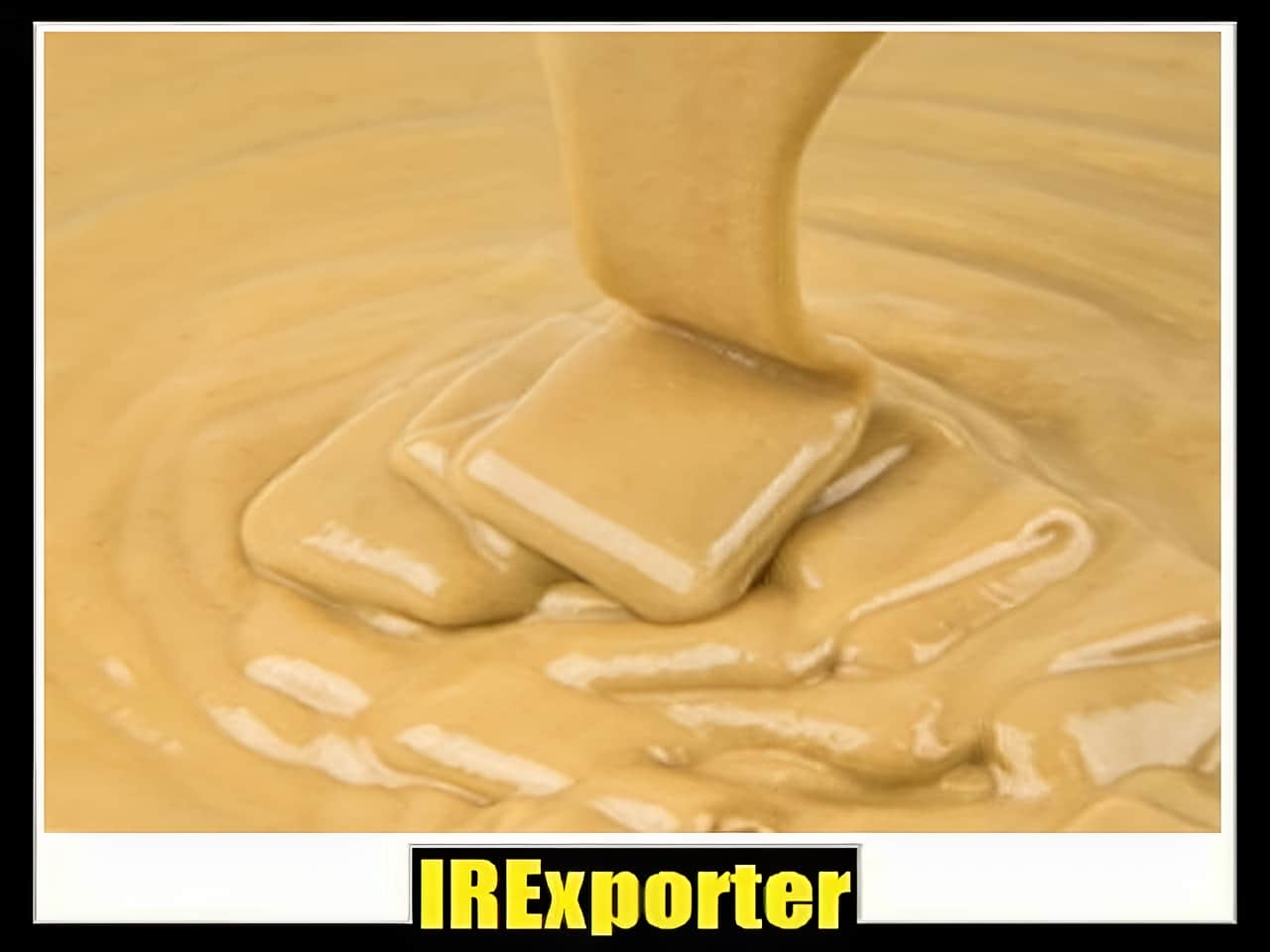
tahini is a creamy and versatile paste made from ground sesame seeds. It is a staple in middle eastern cuisine and used in a variety of dishes such as hummus, baba ganoush, and halva. Iran is one of the largest producers and exporters of tahini globally, and its export significantly impacts the country’s economy. This article provides an overview of tahini export from iran and the factors affecting the purchase price of exported tahini.
the history of tahini production in iran.
tahini production has a long history in iran and holds cultural significance. Over time, tahini production in iran has evolved, and the country is now renowned for producing high-quality tahini exported to many countries worldwide. Iran’s favorable climate, fertile soil, and abundant water resources make it an ideal location for sesame seed cultivation, the primary ingredient in tahini.
the importance of tahini export for iran’s economy
the export of tahini plays a vital role in iran’s economy, contributing to its revenue and supporting many livelihoods. The tahini industry in iran is well-established and employs numerous individuals involved in farming, processing, distribution, and export. Tahini export from iran encompasses various aspects of the country’s economy, providing economic opportunities and stability.
Tahini is a Middle Eastern paste made from ground sesame seeds, used in many dishes such as hummus and baba ganoush. It is produced in many regions of Iran, with the largest production in the cities of Mashhad and Qom.
Tahini export from Iran typically occurs through shipping containers, either by sea or air, to importing countries. The products are packaged in jars or drums and must meet certain quality standards to be eligible for export.
The main countries importing tahini from Iran are neighboring Middle Eastern countries, such as Iraq, Turkey, and Syria, as well as some European countries like Germany and the Netherlands. The demand for tahini and other Middle Eastern food products has been increasing globally, leading to an increase in exports from Iran.